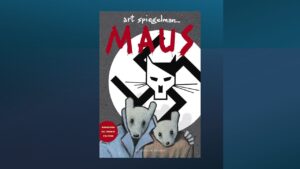


Today is Spain’s Comic Book Day and earlier this month (28 Feb-2 Mar) Valencia hosted its Salón del Cómic. To celebrate I will look into the graphic novel genre. More specifically, I will draw my attention to the role of graphic novels in shedding light on the process of remembering traumatic past experiences. One of the first cartoonists to explore the power of graphic novels to tell rich and extended stories that deal with serious topics was Art Spiegelman, with his landmark account of the Holocaust: Maus: A Survivor’s Tale (1986).
Acclaimed as one of the best graphic novels, this brutally moving and deeply personal account about the psychological impact of intergenerational trauma is currently the only graphic novel ever to win the Pulitzer Prize. It comes as little surprise to learn that it stands as a landmark achievement. Indeed, it has galvanized a generation of comic creators to fill bookshelves with graphic narratives about violence, trauma and memory. As shown in Comic Books, Graphic Novels and the Holocaust: Beyond Maus (Stanczyk 2020), the graphic novel genre is becoming increasingly rich and diverse. Publications on the broader picture of the Holocaust have also emerged within Spain.
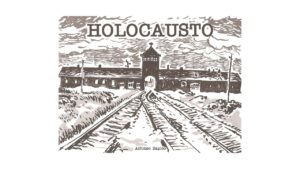
On the basis of the works included in Catálogo HORES, it can be argued that Spanish graphic novels on the Holocaust are a burgeoning field. As per the latest data, a total of 12 Holocaust-related graphic novels have been published in Spain. The first Spanish graphic novel on the topic, Holocausto by Alonso Zapico, dates back to 2007. That is to say, it was published coinciding with what Elena Masarah Revuelta (2023) has termed “segundo ‘boom’ del cómic”, the “second comic boom”.
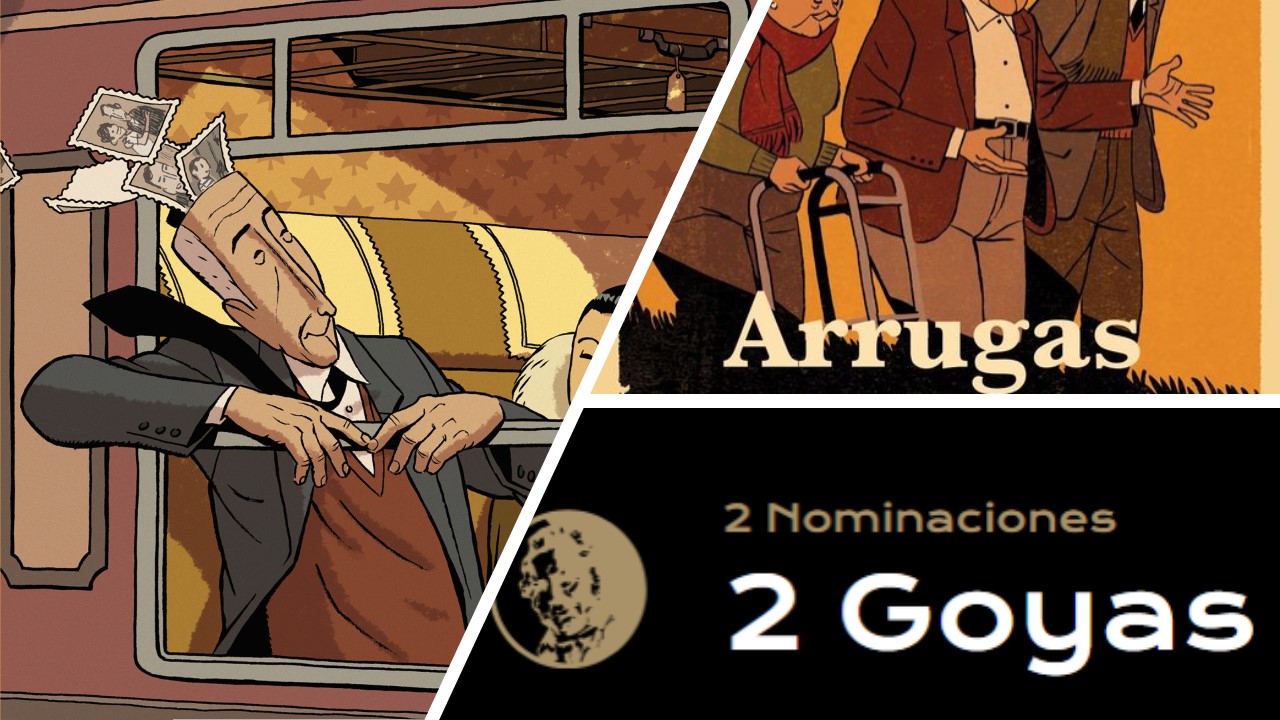
It was also in 2007 when Paco Roca published his highly acclaimed Arrugas, which was a big popular success and well rated by critics (you can view a full list of prizes awarded to the work here). It was such a huge success that it was adapted into an animation film some years later, in 2012 (you can check out the trailer for the film here).
2007 was also the year when Spain’s Ministry of Culture created a literary award for comics: the Premio Nacional del Cómic [National Comic Award]. The award, as it is officially defined, aims “to recognize the work of Spanish authors, written in any of the languages spoken within Spain”. Lastly but not least important, 2007 was the year when the historic Ley de la Memoria Histórica [Historical Memory Law] was passed. This piece of legislation, which intended to bring “justice, reparation and dignity” to the victims of the Civil War and the subsequent dictatorship, has prompted engagement with the country’s recent violent past among literary circles. While it is beyond the scope of this post to determine whether the Civil War has become a literary trend, as claimed by David Becerra in La Guerra Civil como moda literaria (2015), it is true that graphic novels have turned out to be an effective medium to bring the past into the present.
Let’s return to Holocausto. Despite the fact that this book had a very limited print run, it managed to reach some parts of the country. The publication date was set in January, to make it coincide with activities happening around the International Holocaust Remembrance Day. Moreover, the graphic novel was used because of its pedagogical value in several high schools within the province of Asturias.
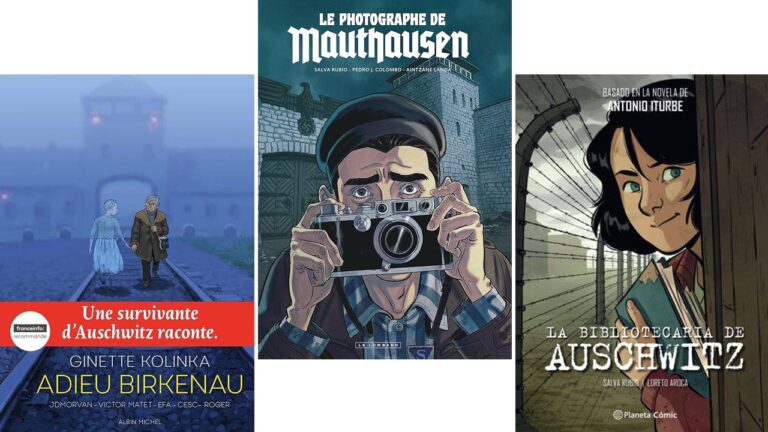
When looking into the reception and circulation of Spanish graphic novels about the Holocaust, attention should be drawn to three of the works included in the Catalogue: Le photographe de Mauthausen (Rubio, Colombo and Landa 2017), La bibliotecaria de Auschwitz (Loreto, Rubio and Iturbe 2022) and Adieu, Birkenau. Une survivante d’Auschwitz raconte (Matet and Morvan 2023). All three graphic novels have transcended the Spanish publishing market. What is more, the works by Rubio and Matet were firstly published in France and were only later published in Spain. Furthermore, both of them have been translated into English. As for the adaptation of Antonio Iturbe’s bookseller novel (the fictionalization of fourteen-year-old Dita, a teenager who risked her life to keep the magic of books alive in Auschwitz), the work was first published in Spanish and was later, in 2023, translated into English.
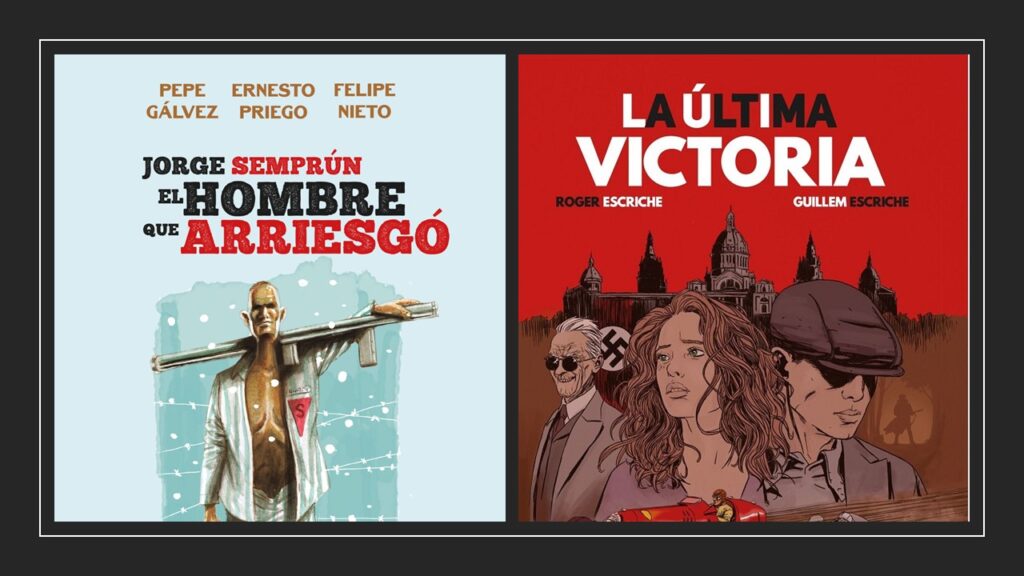
I will close up with a comment on two of the latest graphic novels identified by the members of Proyecto HORES, both of which have been published by Desfiladero Ediciones in 2024: La última victoria (Escriche, G. and Escriche, R.) and Jorge Semprún. El hombre que arriesgó (Gálvez, Nieto and Priego). By the way, Guillem Escriche and Ernesto Prieto were two of the best-selling writers invited to speak at the Valencia Comic Fair. They participated in book signing events, contributing thereby to visibilizing the Holocaust and to advocating for graphic novels as an ideal medium to work through History.
References:
Becerra Mayor, David. 2015. La Guerra Civil como moda literaria. Madrid: Clave Intelectual.
Masarah Revuelta, Elena. 2023. “El segundo ‘boom’ del cómic: desarrollo(s) de la novela gráfica en España desde 2007”. Tebeosfera, tercera época, 22. Seville: Asociación Cultural Tebeosfera. Available at: https://www.tebeosfera.com/documentos/el_segundo_boom_del_comic_desarrollos_de_la_novela_grafica_en_espana_desde_2007.html
Stanczyk, Ewa. 2020. Comic Books, Graphic Novels and the Holocaust: Beyond Maus. London: Routledge.